Fraud
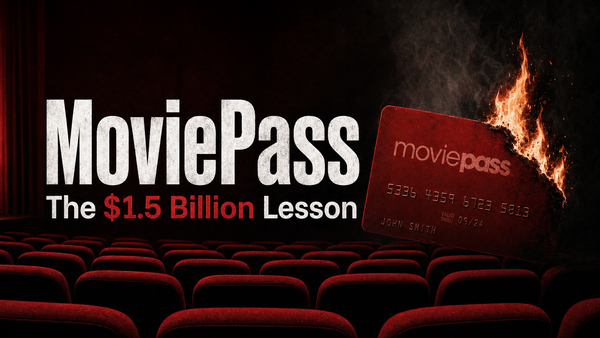
MoviePass: The Partnership That Promised to Revolutionize Cinema and Burned $1.5 Billion
MoviePass had real demand and real theater partnerships, but the business model required its own customers to use the product less than they ever would.
Fraud
MoviePass had real demand and real theater partnerships, but the business model required its own customers to use the product less than they ever would.
Fraud
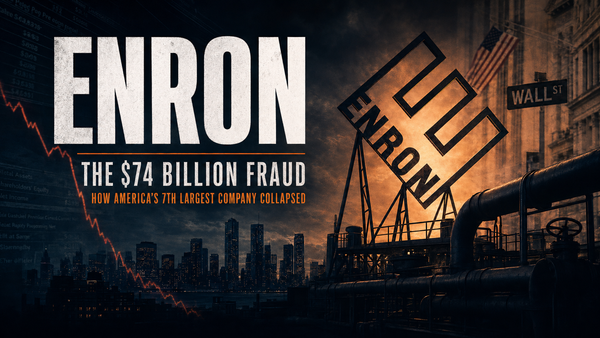
Enron used off-balance-sheet partnership structures to manufacture the appearance of profitability, and every professional who could have stopped it had reasons to let it continue.
Fraud
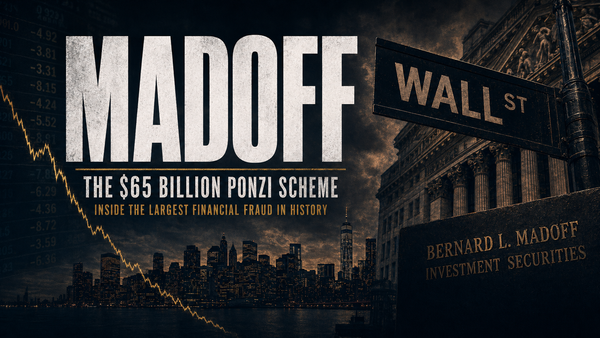
Madoff built the largest fraud in history on trust rather than technology, and the relationship itself became the reason due diligence stopped.
Fraud
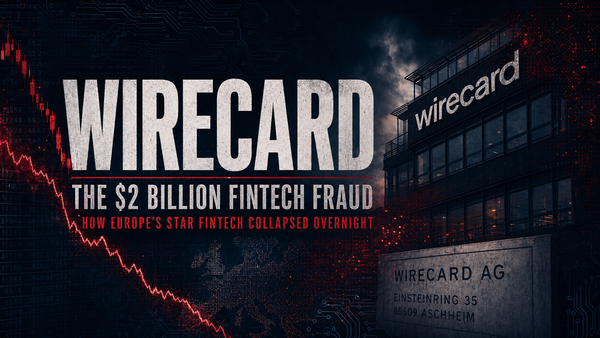
Wirecard built its $25 billion valuation on banking partnerships that no bank could verify, and the fraud ran for a decade because verification never happened.
Fraud
The business coaching industry has no licensing requirement, which makes it easy to sell content products at results pricing and disappear before the refund window opens.

partnerships
Most partnerships fail because the parties defined the relationship without ever defining what a successful outcome would look like for either side.
partnerships
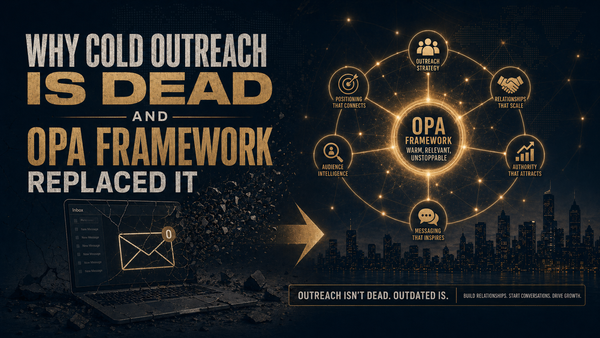
Cold outreach produces predictable results, and the three approaches that actually generate partnerships solve a relationship problem rather than a volume problem.
partnerships
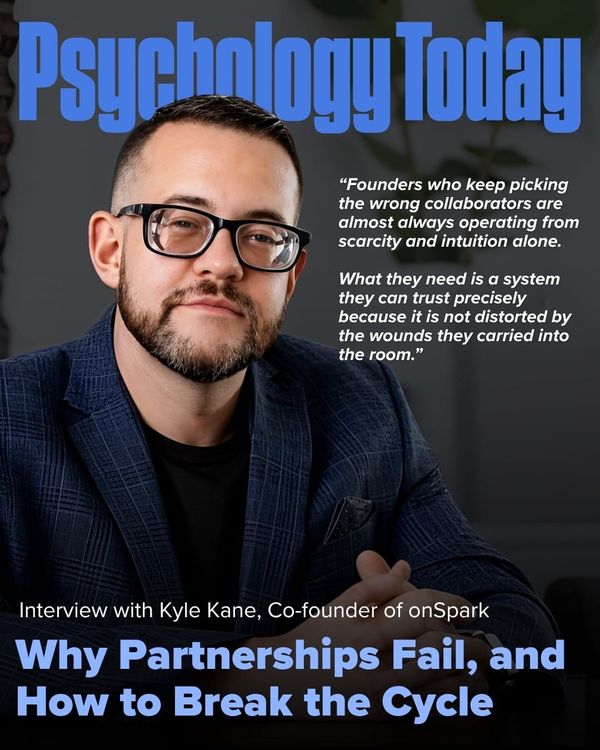
Partnership failure follows predictable structural patterns that most founders only recognize after spending six months on a deal that was never going to close.
partnerships
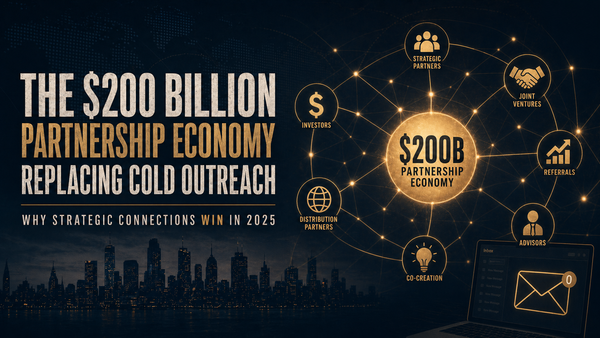
Most founders know partnerships are the answer, but the execution gap between knowing and actually closing deals is where almost every founder gets stuck.

partnerships
When a partnership collapses, everyone identifies a person to blame, but the actual failure is almost always the governance structure that nobody defined going in.
partnerships
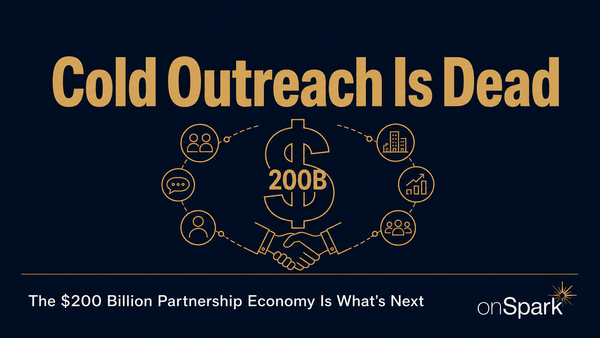
The partnership economy runs on warm introductions and demonstrated relevance, not on cold outreach that costs more in credibility than the meetings it generates.
Fraud
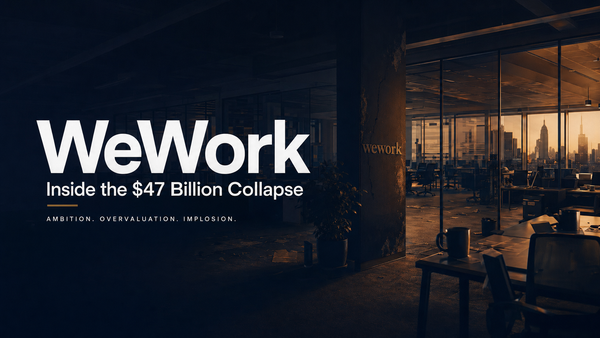
WeWork's landlord partnerships looked like distribution infrastructure but functioned as fixed obligations that scaled in one direction, and the model collapsed when membership demand softened.